
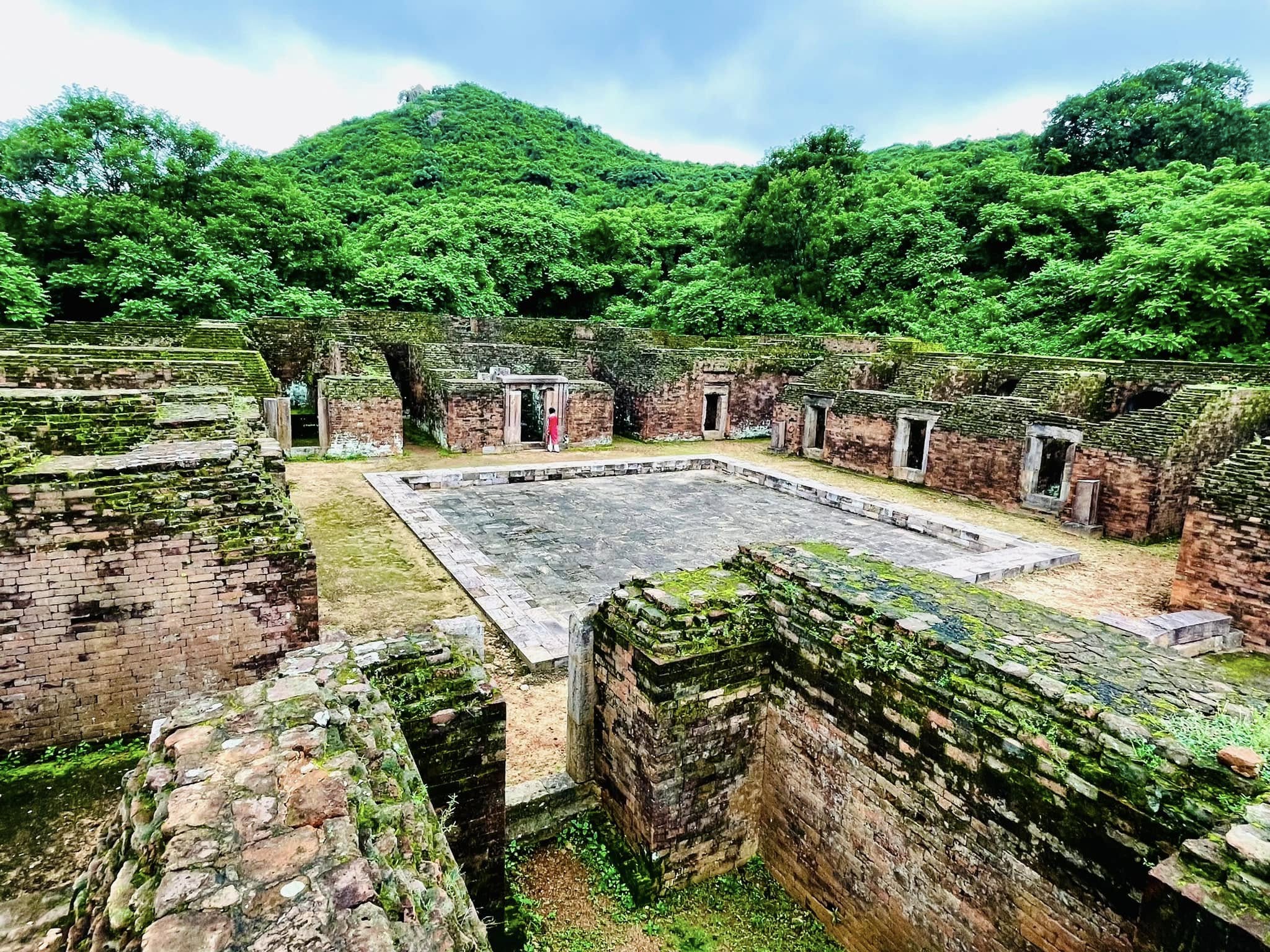
The Sacred Buddhist Land of Kalinga: From Tyrant to Dharma King
In 261 BCE, King Ashoka—once known as Chanda Ashoka (the ruthless tyrant)—led his armies to conquer the kingdom of Kalinga (Eastern India) to unify the entirety of India. However, that fierce battle, with mountains of corpses and blood staining the Daya River crimson, became a profound turning point, awakening the deep conscience of the undefeated monarch.
Transformation of Consciousness and the Affinity with the True Dharma
Tending to Chanda Ashoka’s wounds right after the devastating battle was a Buddhist monk—even though all members of that monk’s family had been killed by the king’s own army. The cooling, forgiving, and compassionate stream of loving-kindness from the monk washed away the cloud of ignorance and awakened compassion within the heart of the warlike king. Consequently, the seed of Bodhi blossomed right in the midst of the blood-soaked battlefield of Kalinga. Chanda Ashoka formally took refuge in the Triple Gem and observed the five lay precepts, transforming from a tyrant into the most devout and peerless Dharma King (Dharma Ashoka) in the history of Indian Buddhism.
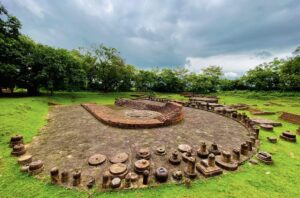
Historical Imprints and Millennial Legacy at the Kalinga Holy Land
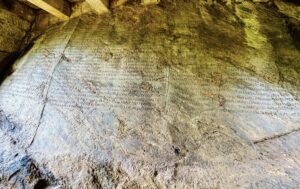
His edicts became a sublime manifesto on ethical living grounded in the Buddha’s spirit of compassion and wisdom, carved into enduring stone for over 2,300 years, shining eternally alongside antiquity and modernity. To this day, Ashokan pillars and stupas still leave their marks across sacred Buddhist lands, inscribed in millennia of worldly history. Whether King Ashoka or the rulers of Kalinga back then—victors and vanquished alike—have now become figures of the past, what remains entirely for posterity is his fervent heart and the great merit of protecting and supporting the Triple Gem. Anyone walking the path of pilgrimage to the sacred land of the Buddha reverently invokes his honorable name. For had it not been for such exceptional predecessors, the Buddhist holy sites in India might have sunk into oblivion and nothingness.
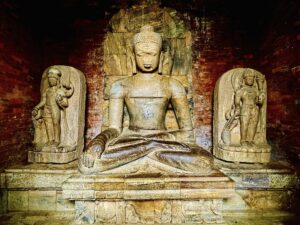
The pilgrimage journey concludes with deep, emotional reflection:
Profoundly moved,
Kalinga, late July 24
Nemo enim ipsam voluptatem quia voluptas sit aspernatur aut odit aut fugit, sed quia consequuntur magni dolores eos qui ratione voluptatem sequi nesciunt.