The Sakya Monastery: Guardian of the World’s Oldest Esoteric Buddhist Canon
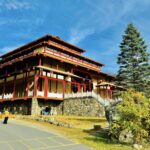
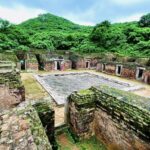
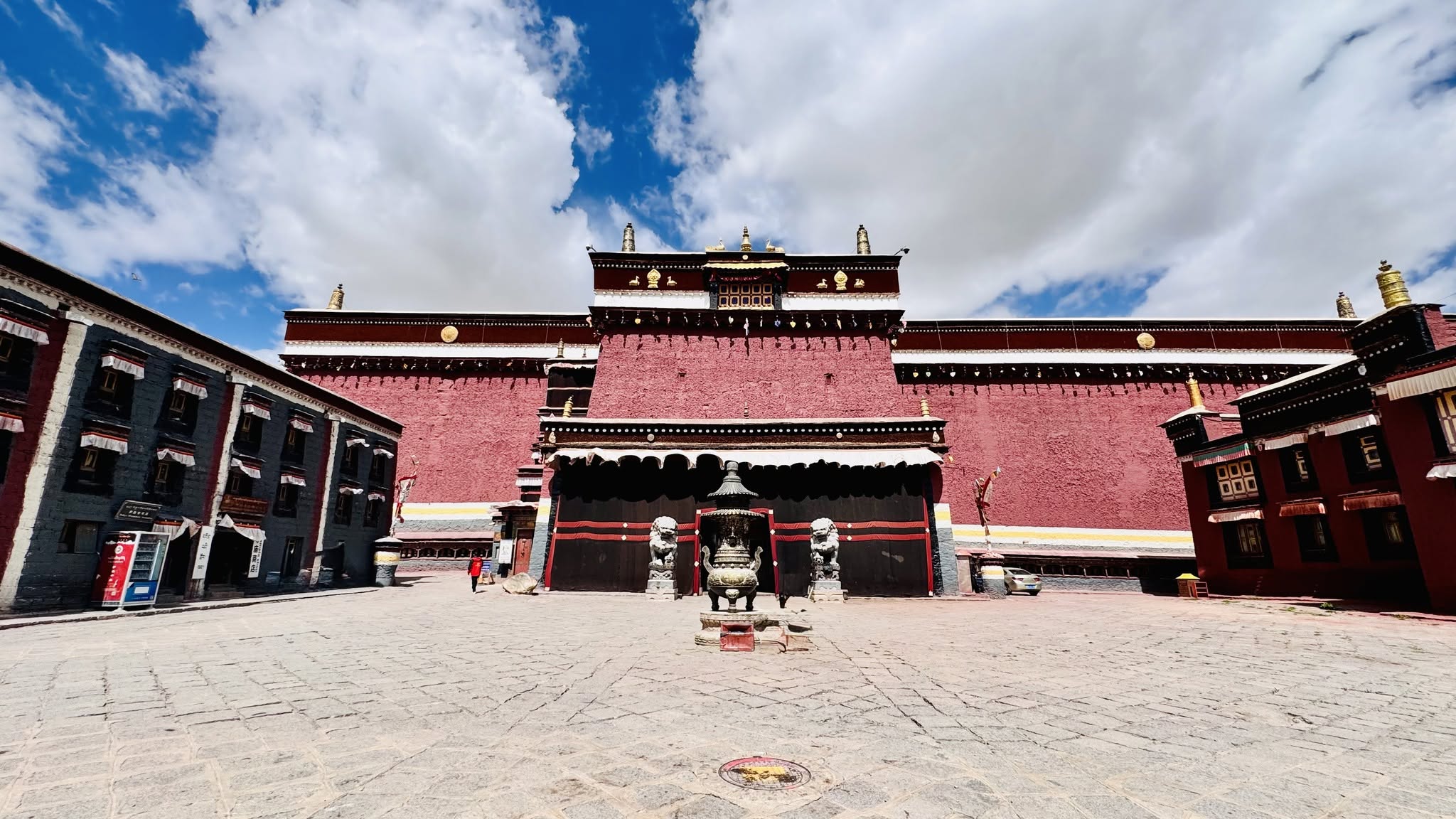
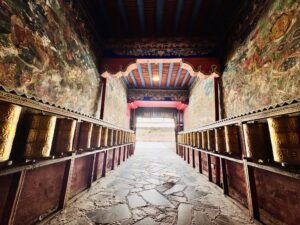
Located 150 kilometers south of Shigatse in Tibet, the Sakya Monastery was founded in 1073 by the “Khon” clan—one of Tibet’s most noble lineages. It was established by the master Khon Chokchog Gyalpo, who founded the Sakya lineage, one of the most distinctive and extraordinary traditions in the Himalayas. After driving for more than two hours through the breathtaking, snow-capped mountain trails, we arrived in the town of Sa’gya, nestled deep within a valley surrounded by clouds and mountains. Following a winding path from the town to the monastery’s main gate, we encountered countless traces of the Khon lineage, now consigned to the echoes of the past. This monumental monastery of unprecedented scale has weathered many historical ups and downs, particularly the turbulence of 1959.
The Massive Library and Ancient Esoteric Canon
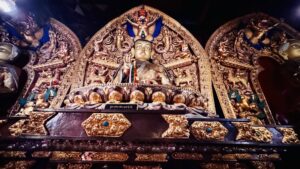
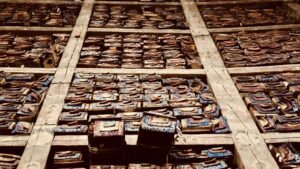
The most remarkable sight within the Sakya Monastery today is its colossal library, which houses the world’s oldest collection of the Esoteric Buddhist Canon (Tantric Canon). The library contains an immeasurable number of texts and scriptures inscribed on palm leaves, woodblocks, gold, copper, silver, and yak leather. Some of these manuscripts date back to the monastery’s founding in 1073, with the majority comprising esoteric texts covering literature, history, philosophy, mathematics, astronomy, agriculture, and art.
What makes this library truly extraordinary is a sacred text of Esoteric Buddhism associated with the Sakyapa lineage, weighing a staggering 500 kilograms. It is recognized as the heaviest book in the world, carefully preserved within the Sakya Monastery’s library. Due to the arid and harsh climate of the Sa’gya region, these sacred texts have been exceptionally well preserved. In 2003, a vast treasury of scriptures was discovered hidden deep behind a wall 60 meters long and 10 meters height behind the main Buddha hall, containing over 80,000 volumes. Many monastics believe these texts were concealed to protect them from political upheavals and to safeguard the monastery’s ancient literary heritage.
The Living Dharma Through Murals and Thangkas
Beyond the written and preserved documents, the teachings are vividly brought to life through murals and Thangka paintings displayed and stored throughout the monastery. More than 3,000 murals and Thangkas are preserved within the Sakya Monastery, often celebrated as a second “Dunhuang Museum” on the Tibetan Plateau.
Standing before this sacred space, I stood in awe, deeply moved as I contemplated a 60-meter-long mural depicting the remarkable encounter between Drogön Chögyal Phagpa and Kublai Khan. All dharmas arise due to conditions and pass away when conditions cease. The Buddhist scriptural canons—including the Southern Canon (Theravada), Northern Canon (Mahayana), and Esoteric Canon—have all endured trials, changes, and tribulations in their preservation for future generations.
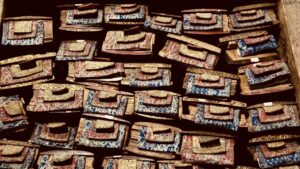
Perhaps this is the most colossal library housing the Esoteric Canon that I have ever had the privilege of paying homage to. I do not know the Tibetan language, nor do I fully fathom the spiritual practices of the monastics in the Himalayas, but the boundless energy and profound benefits flowing from the treasury of wisdom left behind by our predecessors for posterity have never been clearer to my heart.
The pilgrimage journey to the Sakya Monastery will officially commence on May 4, 2026.